Reading Labels: Where Carbs Hide
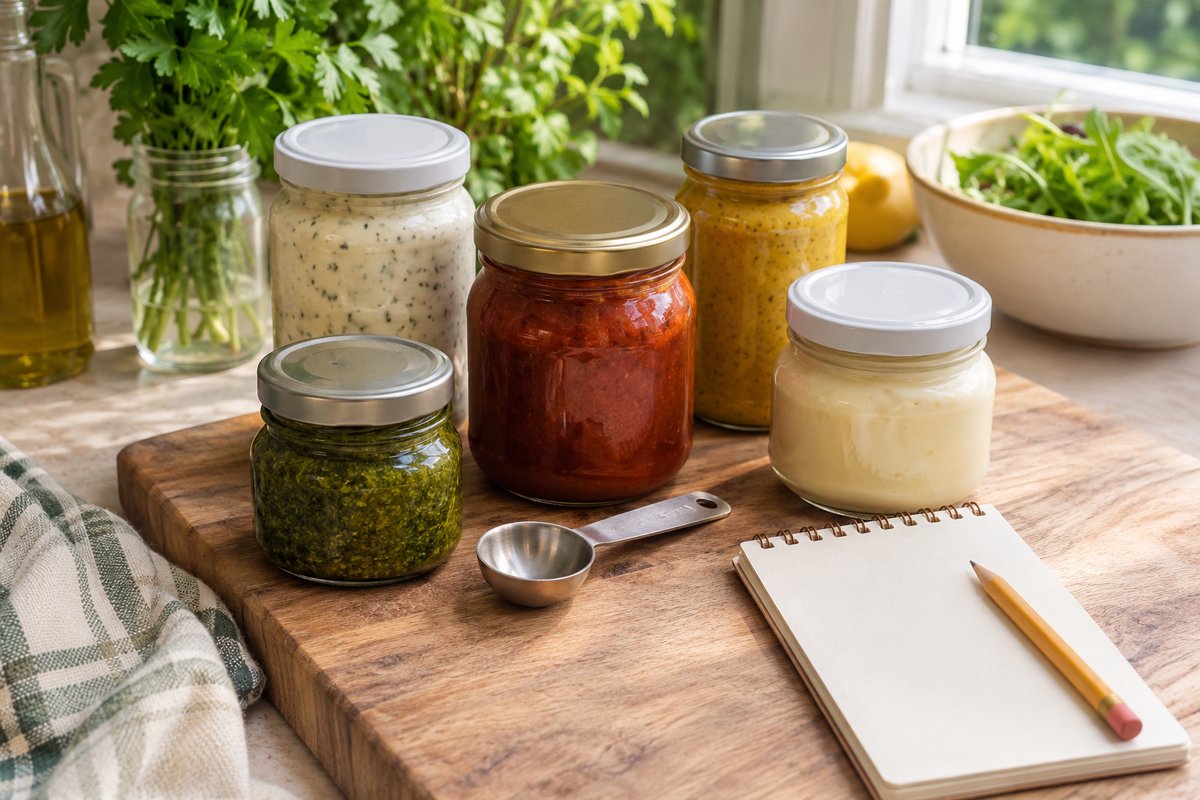
On a low-carb or keto plan, the carbohydrates you can see are rarely the problem. A steak has none and a bowl of rice is obvious. The grams that derail a day tend to come from foods that do not look sweet or starchy: a spoonful of sauce, a deli slice, a "light" dressing. Learning to read a label takes about five minutes and pays off at every store.
Start with the serving size
The numbers on a US Nutrition Facts panel describe one serving, and that serving is set by the manufacturer. A bottle of salad dressing may list two tablespoons as one serving; if you pour four, double everything. The FDA's guide to the Nutrition Facts label explains how serving sizes and "servings per container" are determined.
Check two things first:
- How much is a serving, in grams or household measures?
- How many servings are you realistically eating?
Find total carbohydrate, then work out net
The panel lists Total Carbohydrate, with Dietary Fiber and Total Sugars (and Added Sugars) underneath. Net carbs are usually calculated like this:
- Net carbs = total carbohydrate minus fiber
- Some people also subtract sugar alcohols, either all of them or half. Sugar alcohols vary in how much they affect blood sugar, and the FDA does not define "net carbs" on the label at all.
Because the term is informal, two brands can advertise different "net" values for similar products. When in doubt, use total carbohydrate as your upper limit and fiber as your adjustment.
Names for sugar
Added sugar appears under many names. On an ingredient list, watch for:
- Cane sugar, brown sugar, turbinado, muscovado
- Corn syrup, high-fructose corn syrup, rice syrup, malt syrup
- Honey, agave nectar, maple syrup
- Dextrose, maltose, sucrose, fructose
- Fruit juice concentrate
Ingredients are listed from the largest amount to the smallest. If a sweetener is near the top, the product contains a lot of it.
Starches that hide in savory foods
Starch is cheaper than meat, so it is often added to processed foods as a thickener or filler. Common examples:
- Sauces and gravies: thickened with flour, cornstarch or potato starch.
- Meatballs, sausages and burgers: may contain breadcrumbs, rusk or wheat protein.
- Soups: canned and boxed varieties often use flour or potatoes.
- Imitation crab and some deli meats: contain starch and sugar to bind them.
- Coated or "crispy" foods: the coating is where the carbohydrates sit.
Where sugar turns up unexpectedly
| Product | Typical carbs in one serving |
|---|---|
| Ketchup (1 tbsp) | about 4 to 5 g |
| Barbecue sauce (2 tbsp) | about 12 to 16 g |
| Flavored yogurt (6 oz) | about 15 to 25 g |
| Bottled salad dressing, fat-free (2 tbsp) | about 6 to 10 g |
| Teriyaki or sweet chili sauce (1 tbsp) | about 5 to 8 g |
| Store-bought pasta sauce (half cup) | about 8 to 12 g |
| Peanut butter, sweetened (2 tbsp) | about 6 to 9 g |
Values are rough and differ between brands; they illustrate how quickly small portions add up. A tablespoon of ketchup does not look like much, but it can use up a fifth of a 20-gram budget.
Claims on the front of the package
The front of a package is marketing, and the back is the facts. "No added sugar" means no sugars were added during processing, but fruit juice, milk or starch in the product can still carry plenty of carbohydrate. "Sugar-free" may refer only to table sugar. "Natural" has no firm meaning in most contexts, and "made with whole grains" says nothing about how much of the product is grain. Use the Nutrition Facts panel as the final word, and compare the numbers per serving and per 100 grams when two products list different serving sizes.
Sugar alcohols and "keto-friendly" claims
Packaged products carrying words like "keto," "low-carb" or "net carbs" on the front are marketing, not a regulated standard. Many use sugar alcohols such as maltitol, sorbitol, xylitol and erythritol. Some of these are absorbed in part and raise blood sugar more than the label implies. Maltitol, in particular, is known for a noticeable effect on glucose and for causing digestive upset in some people when eaten in quantity.
Allulose, erythritol and stevia are generally treated more gently in nutrition guidance, but anyone with diabetes should confirm with a clinician and check their own readings before assuming a product has no effect.
A quick routine at the store
- Look at serving size.
- Read total carbohydrate and fiber.
- Scan the ingredient list for syrups, starches and flours.
- Compare two brands side by side. The difference is often larger than expected.
- Look at the fat and protein too, since a very low-carb snack that is mostly sugar alcohol does little for fullness.
Don't forget restaurants and packaged meals
Menu items rarely list carbohydrates, but many chains publish nutrition information online. When it is not available, ask how a dish is prepared and whether sauces contain sugar or flour. We go into this in more detail in eating keto while traveling.
Keep a simple reference
A phone note with carb values for the five or six packaged foods you buy most often makes shopping much faster. Cross-check with USDA FoodData Central when a label is unclear, and use our grocery list as a starting point.
If you manage diabetes or any condition that depends on precise carbohydrate counts, ask your doctor or a registered dietitian how to count for your situation. This page is general information only. For an overview of how the diet works before you shop, begin with the keto guide.