What Is the Keto Diet? A Plain-English Guide
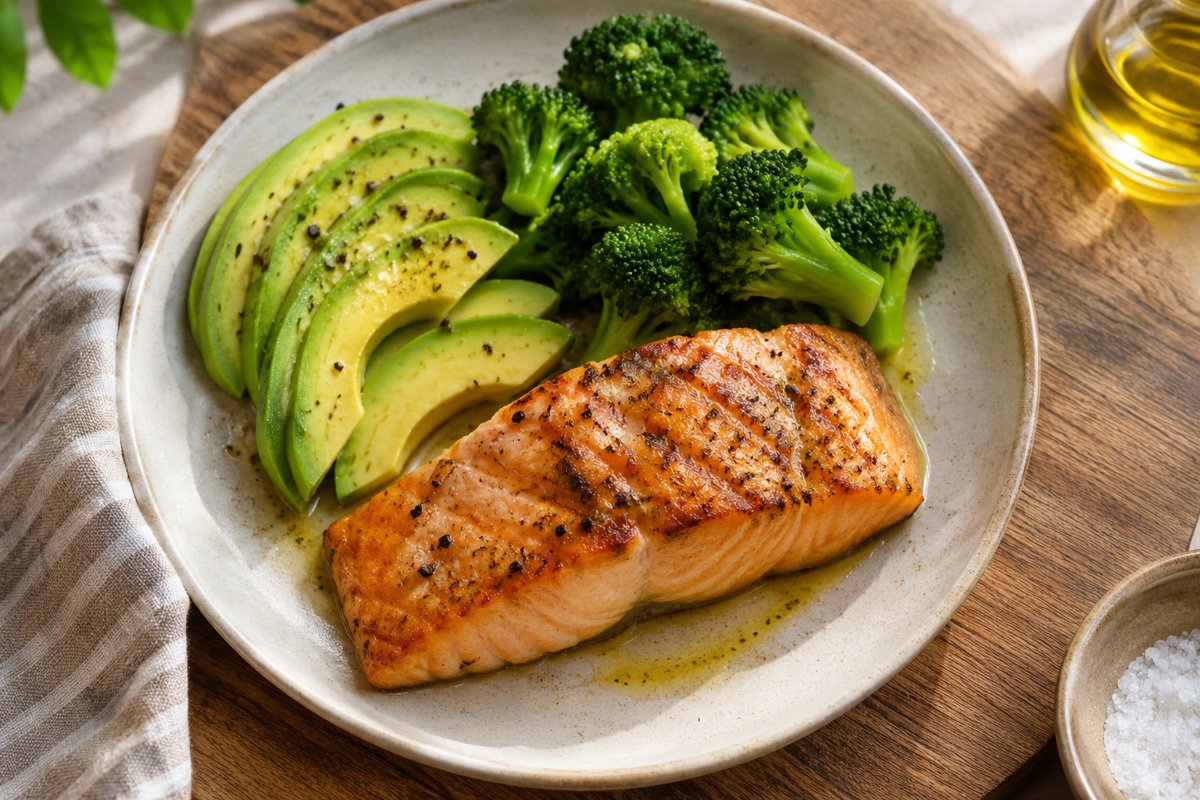
The ketogenic diet, usually shortened to keto, is a way of eating that keeps carbohydrates very low, protein moderate and fat high. The goal is to push the body into a metabolic state called ketosis, in which it relies more on fat, and on molecules called ketones made from fat, for fuel. This guide explains how that works in everyday terms, what a typical day of eating looks like, and why some people decide it is not for them.
How the diet works
Most of the energy in a typical diet comes from carbohydrates, which the body breaks down into glucose. When carbohydrate intake drops far enough, insulin levels fall, stored glycogen is used up, and the liver begins turning fat into ketones. Most people reach ketosis after somewhere between two and four days of eating very few carbohydrates, although the timing varies with activity level, body size and what they ate before.
The ketogenic diet was first developed in the 1920s as a medical diet supervised by specialists, and it is still used that way in some clinics. The version people follow at home is looser, but the underlying idea is the same. The Harvard T.H. Chan School of Public Health and the NIH StatPearls overview both describe it in similar terms.
What the numbers look like
There is no single official definition, but most keto plans share a rough shape:
- Carbohydrates: about 20 to 50 grams of net carbs per day, which is roughly 5 to 10 percent of calories.
- Protein: moderate, often 15 to 25 percent of calories.
- Fat: the remainder, commonly 65 to 75 percent of calories.
Net carbs means total carbohydrates minus fiber, and sometimes minus certain sugar alcohols. Because the rules differ between sources, it helps to pick one counting method and stay with it. For comparison, one medium banana contains about 27 grams of carbohydrate, so a single piece of fruit can use up most of a day's allowance.
What people actually eat
Daily meals on keto tend to be built from a short list of ingredients:
- Eggs, fish, poultry, and meat
- Non-starchy vegetables such as spinach, zucchini, cauliflower and broccoli
- Olive oil, butter, avocado and nuts
- Cheese and plain full-fat yogurt in small amounts
- Coffee, tea and water
Foods that are usually left out include bread, pasta, rice, potatoes, most fruit, sweetened drinks, beans, and anything breaded or sugared. Our keto grocery list and breakfast ideas turn these categories into specific items.
Keto and low-carb are not identical
People often use the two terms interchangeably, but keto sits at the strict end of the low-carb range. The difference matters when you read research or compare plans, and we cover it in keto vs. low-carb.
Common misunderstandings
A few ideas about keto circulate widely and deserve a second look:
- "Keto means unlimited bacon and butter." Calories still count, and many guides recommend that most fat come from foods such as olive oil, fish, nuts and avocado.
- "Ketosis and ketoacidosis are the same." They are not. Nutritional ketosis is a controlled shift in fuel use. Ketoacidosis is a dangerous emergency, mainly seen in uncontrolled type 1 diabetes.
- "No carbs at all." Vegetables, nuts and seeds contain carbohydrates, and keto plans include them. The aim is a low total, not zero.
- "Everyone reaches ketosis at the same speed." Activity, body size, sleep and previous eating all play a part, and home testing methods vary in accuracy.
Why some people stop
Searches about quitting keto are common, and the reasons people give tend to repeat:
- It is hard to keep up socially. Restaurants, family meals, holidays and travel all take planning. A few of those situations are covered in our guide to eating keto while traveling.
- The first weeks can feel rough. Headaches, tiredness and irritability are often reported early on. See the keto flu for what that is and when to speak with a doctor.
- Variety and fiber can suffer. Cutting out grains, beans and fruit can make it harder to eat enough fiber unless vegetables are chosen carefully.
- Results are hard to compare. Studies on low-carb eating often show differences with other diets in the first months that narrow over a year. Our summary of what the research says explains the pattern.
- Cost and effort. Meat, fish, nuts and olive oil add up, and tracking carbs takes time.
None of these reasons means keto is a bad choice for everyone. They are simply the practical limits that keep many people from continuing past the first few months.
What to check before starting
A very low-carbohydrate diet changes how the body handles fluids, electrolytes and blood sugar. For that reason, it is worth talking with a doctor or a registered dietitian first, especially in these situations:
- Type 1 or type 2 diabetes, or any medication that lowers blood sugar. The Mayo Clinic explains why ketones matter for people with diabetes in its overview of diabetic ketoacidosis.
- High blood pressure medication, since needs can change when sodium and fluids shift.
- Kidney, liver or pancreatic conditions, or a history of gallbladder problems.
- Pregnancy or breastfeeding.
- A history of disordered eating.
A registered dietitian can build a plan around your own health history. The Academy of Nutrition and Dietetics offers a directory of nutrition professionals.
The short version
Keto means very few carbohydrates, enough protein, and fat as the main energy source. It asks for planning, and it does not suit everyone. If you are curious, begin by learning to read labels, build a basic shopping list, and talk to a health professional about whether the plan fits your situation. The rest of this site covers those steps one at a time.